Nanna Papanikolaou | Translating Guadalupe Nettel’s «The Accidentals»
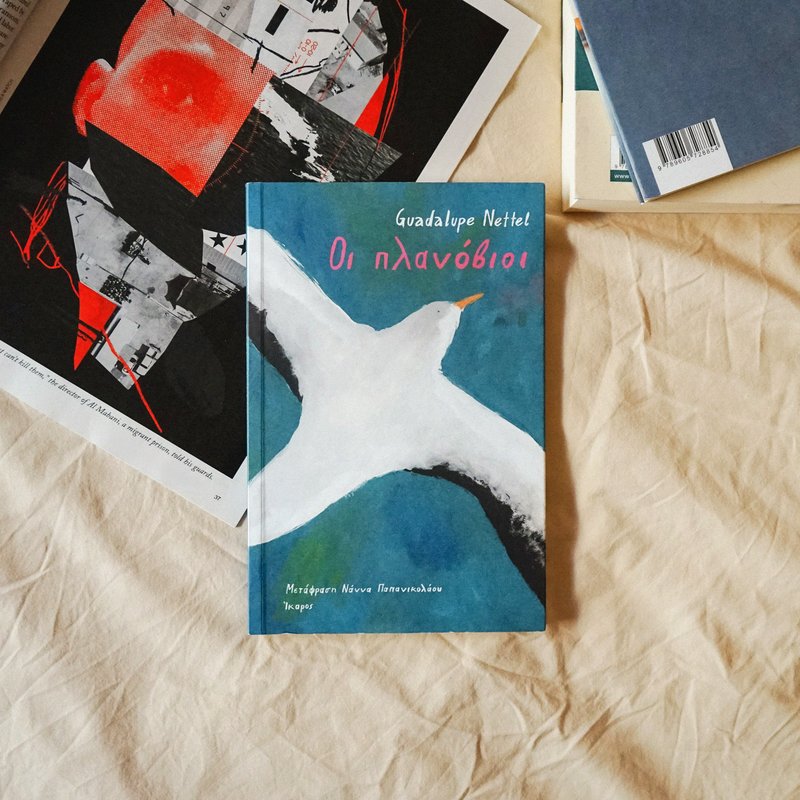
Nanna Papanikolaou joins us in our “The Translation Workshop” column to discuss Guadalupe Nettel’s new book, The Accidentals, which she translated into Greek and which was recently published. An uncanny and gripping collection of short stories about people trying to find their way again.

This slim book of 136 pages contains eight substantial short stories. Each may explore several themes, but one lies at its heart.
Families and their secrets, which can sometimes be so sordid and traumatic that they are kept carefully hidden, not only from outsiders but even from family members themselves.
The trauma of children without parents, who imagine what their families might be like—now one way, now another—alongside the trauma of other children who are a burden to their own mothers and long to escape.
The unsettling question of how well we know those closest to us, how well even a mother can know the children she has brought into the world.
The allure of the unknown, our longing for youth, the risks that can backfire and cost us even what we already have. Dissatisfied with what we have, we reach for something else, only to find that the price is high. But by the time regret sets in, we have already walked away from the checkout. There are no refunds.
Our roots. Do people take root? Can people, can families, share the same roots? Common points of reference in all their lives, things that bind them together. And what happens when those shared things disappear? A tree in the courtyard, for instance, that keeps them connected.
How far can envy of another person’s achievements, of everything we have failed to accomplish ourselves, take us? How far might we go to seize what someone else has?
Our homeland. How far, and for how long, can the place where we were born or where we come from follow us and define us? Even when it drives us away, we wander like lost albatrosses, trying to return.
The family, that so-called nucleus of society: what might it be like when we cannot so much as poke our heads outside it? What would our lives be like if pandemics and lockdowns became a permanent state of affairs?
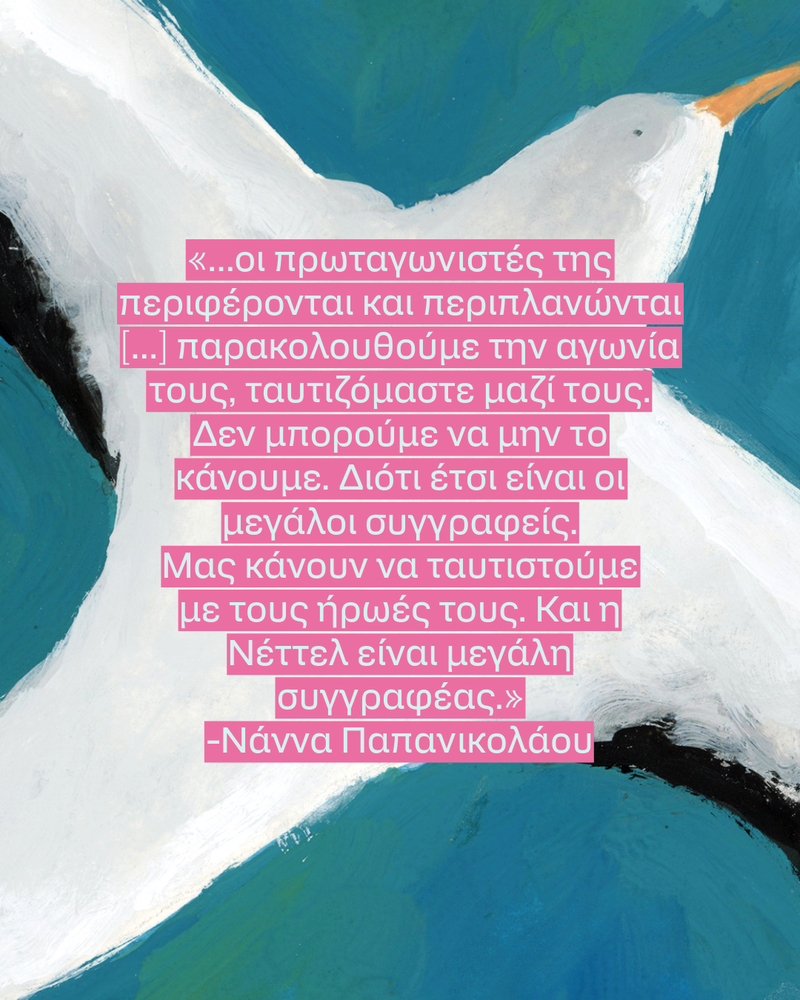
In all eight stories, Guadalupe Nettel’s protagonists roam and wander, not because they are carefree idlers whiling away their time. They wander because they are lost, because they have lost their way and are searching for a way to reach their destination. We follow their anguish; we identify with them. We cannot help it. Because that is what great writers do. They make us identify with their characters. And Nettel, as we already know from Still Born, is a great writer.
And if anyone asks me which of the eight stories I liked best, I honestly do not know what to say. I might name one, only to remember another and name that one too, and then another, and so on. Every story is engrossing and deeply affecting, however ordinary or fantastical it may seem.