News
News List, News Categories, Events
-

Προσεχείς Εκδόσεις | Σεπτέμβριος - Δεκέμβριος 2019
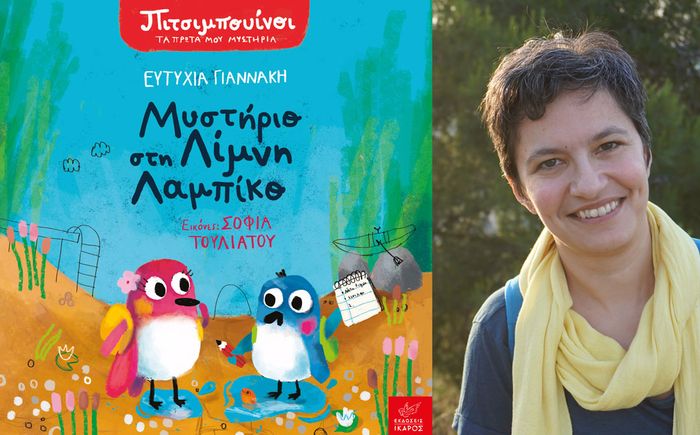
This post is only available in Greek.Υποδεχόμαστε το Φθινόπωρο με πολλά και σημαντικά βιβλία για όλες τις ηλικίες. Διαβάστε παρακάτω περισσότερες πληροφορίες για τους τίτλους που προγραμματίζουμε να εκδώσουμε έως τα τέλη της χρονιάς: ΕΛΛΗΝΙΚΗ ΠΕΖΟΓΡΑΦΙΑ Δημήτρης Οικονόμου: Ο τελευταίος φύλακας Ένα μυθιστόρημα για την Ήπειρο βασισμένο σε πραγματικά γεγονότα. Από την ίδρυση της Ηπειρωτικής Εταιρείας το 1905 μέχρι το Έπος του ΄40 και τις αγριότητες του εμφυλίου, και από τα αρχοντικά Γιάννενα μέχρι τα πάμφτωχα ορεινά χωριά, η ιστορία μιας οικογένειας διατρέχει την ιστορία της Ηπείρου. Δίψα για ελευθερία και δίψα για μάθηση, έρωτας και προδοσία, αγώνες ενάντια στον κατακτητή αλλά και εμφύλιος σπαραγμός οδηγούν τους ήρωες σε ακραία συναισθήματα και πράξεις. NON-FICTION William B. Irvine: Οδηγός για την καλή ζωή: η αρχαία τέχνη της στωικής χαράς(A Guide to the Good Life: The Ancient Art of Stoic Joy)Μετάφραση: Αντωνία Γουναροπούλου Στην Αρχαία τέχνη της στωικής χαράς, ο William B. Irvine διερευνά τη σοφία της στωικής φιλοσοφίας, μιας από τις πιο δημοφιλείς και επιτυχημένες σχολές σκέψης στην αρχαία Ρώμη, δείχνοντάς μας πώς οι ιδέες και συμβουλές αυτές μπορούν να εφαρμοστούν ακόμη και σήμερα. Χρησιμοποιώντας την ψυχολογική γνώση και τις πρακτικές των στωικών, ο Irvine προσφέρει έναν χάρτη πορείας για αυτούς που προσπαθούν να αποφύγουν τα αρνητικά συναισθήματα που μας πληγώνουν. Οι αναγνώστες θα μάθουν πώς να ελαχιστοποιούν τις ανησυχίες τους, να βάζουν στην άκρη το παρελθόν και να εστιάζουν τις δυνάμεις τους μόνο στα πράγματα που μπορούν να ελέγξουν. Θα ανακαλύψουν επίσης πώς να αντιμετωπίσουν τις προσβολές, τον πόνο, το γήρας και τους πειρασμούς που μας αποσπούν, όπως η φήμη και η επιτυχία. Το βιβλίο δείχνει στους αναγνώστες πώς να γίνουν προσεκτικοί παρατηρητές της δικής τους ζωής. Αν παρατηρούμε τον εαυτό μας καθημερινά και στη συνέχεια αναλογιστούμε αυτά που ζούμε, μπορούμε να εντοπίσουμε αποτελεσματικότερα τις πηγές δυσφορίας και να αποφύγουμε τον πόνο. Κατά τους στωικούς, μόνο έτσι μπορούμε να ελπίζουμε ότι θα επιτύχουμε μια πραγματικά ευτυχισμένη ζωή. Το βιβλίο ανήκει στη νέα σειρά φιλοσοφικών κειμένων που διευθύνει ο Χαρίδημος Κ. Τσούκας. Βασίλης Παπαδόπουλος: Σεφέρης: Ο ρόλος και ο λόγος της διπλωματίας Μια ιδιαίτερη προσωπογραφία του Γιώργου Σεφέρη που παρουσιάζει τις δύο ιδιότητες που μάχονταν μέσα του σχεδόν σε όλη του τη ζωή, δηλαδή του ποιητή και του διπλωμάτη, και εμπλέκονταν συνειδητά ή ασυνείδητα σε μια συνθετική αλληλεπίδραση. Ο Βασίλης Παπαδόπουλος, πρέσβης της Ελλάδας στο Βουκουρέστι και μελετητής του σεφερικού έργου, διαπίστωσε ότι αυτή η πλευρά της ζωής του Νομπελίστα ποιητή δεν είχε γίνει ποτέ μέχρι σήμερα αντικείμενο μελέτης και ερευνά πώς αυτή επηρέαζε βαθιά την ποιητική του δημιουργία. Έτσι γεννήθηκε αυτό το βιβλίο, που διατρέχει το ποιητικό έργο του Γιώργου Σεφέρη, και φωτίζει την αλληλεπίδραση διπλωματίας και ποίησης, μέσα από τα τηλεγραφήματά του και άλλα υπηρεσιακά έγγραφα. ΨΥΧΑΝΑΛΥΤΙΚΗ ΣΕΙΡΑ Elisabeth Kübler-Ross: Πλησιάζοντας τον θάνατο (On Death and Dying)Μετάφραση: Βαγγέλης Προβιάς Πενήντα χρόνια μετά την πρώτη του έκδοση, το Πλησιάζοντας τον θάνατο της Elisabeth Kübler-Ross, μία από τις σημαντικότερες ψυχολογικές μελέτες του 20ου αιώνα που επηρέασε βαθιά τους τομείς της ψυχικής υγείας και της έρευνας σχετικά με τον άνθρωπο, κυκλοφορεί για πρώτη φορά στα ελληνικά. Η αμερικανοελβετίδα ψυχίατρος, όπως είναι πολύ γνωστό, εισήγαγε τη θεωρία για τα πέντε «στάδια» που διατρέχει ο καταληκτικός ασθενής: της άρνησης και απομόνωσης, του θυμού, της διαπραγμάτευσης, της κατάθλιψης και της αποδοχής. Μέσω διαφόρων συνεντεύξεων και συνομιλιών, η Kübler-Ross βοηθά τον αναγνώστη να κατανοήσει πώς ο επικείμενος θάνατος επηρεάζει τον ασθενή, τους επαγγελματίες και το ιατρικό προσωπικό που βρίσκεται κοντά του, καθώς και το οικογενειακό του περιβάλλον, δίνοντας ελπίδα σε όλους όσοι εμπλέκονται. Η έκδοση περιλαμβάνει πρόλογο του ψυχίατρου, παιδοψυχίατρου και ψυχαναλυτή Αθανάσιου Αλεξανδρίδη.«Ένα σπουδαίο μάθημα για τους ζωντανούς».―Περιοδικό Life ΞΕΝΗ ΠΕΖΟΓΡΑΦΙΑ Georgi Gospodinov (Βουλγαρία): Φυσικό μυθιστόρημα (Estestven roman)Μετάφραση: Αλεξάνδρα ΙωαννίδουΜυθιστόρημα Ο συγγραφέας του πολυβραβευμένου Περί φυσικής της μελαγχολίας (Ικαρος, 2018) στο πρώτο του μυθιστόρημα που χαρακτηρίστηκε από το The New Yorker ως ένα «αναρχικό-πειραματικό ντεμπούτο» ―μεταφράστηκε σε 23 γλώσσες και έγινε διεθνές μπεστ σέλερ― αποφασίζει να δημιουργήσει τη δική του εκδοχή ενός «Φυσικού μυθιστορήματος» προερχόμενου από τις στιγμές της καθημερινής ζωής. Με πολύ χιούμορ, η αφήγηση οδηγείται από την ανάγκη του αφηγητή να αποδεχθεί τον διαλυμένο γάμο του και την απιστία της συζύγου του με τον στενό του φίλο. Ο κεντρικός χαρακτήρας ίσως να υποφέρει από διαταραχή ελλειμματικής προσοχής· ίσως να είναι εγκλωβισμένος σε μια προκατειλημμένη αν και στωική εκτίμηση της ακατάστατης ροής της ζωής. Όποια κι αν είναι η αιτία, ο μονόλογός του μετατρέπεται σ’ ένα ιδιαίτερο, συναρπαστικό βιβλίο που υπονοεί άψογα στον πυρήνα του το κενό και τη θλίψη. Με μεταφορικά παίγνια και αναφορές στον Φουκώ και την κοσμοπολίτικη αισθητική του Καλβίνο, ο Γκοσποντίνοφ μοιράζεται μαζί μας έναν διαλογισμό για τις προσωπικές σχέσεις και τις απρόσμενες συνέπειές τους. Mahir Guven (Γαλλία): Μεγάλος αδερφός(Grand frère)Μετάφραση: Λίζυ ΤσιριμώκουΜυθιστόρημα Ο μεγάλος αδερφός είναι οδηγός ταξί, κλεισμένος έντεκα ώρες την ημέρα στην «καμπίνα» του. Μόνιμα συνδεδεμένος στο ραδιόφωνο, ντρέπεται για τη ζωή του και τον κόσμο που ανοίγεται από την άλλη μεριά του παρμπρίζ. Ο μικρός αδερφός του βρίσκεται στη Συρία για ιδεολογικούς λόγους κι εδώ και αρκετούς μήνες εργάζεται ως νοσηλευτής σε μια μουσουλμανική ανθρωπιστική οργάνωση, χωρίς να δίνει κανένα σημάδι ζωής. Αυτή η ατέρμονη σιωπή βασανίζει τον πατέρα και τον αδερφό του και τους κάνει ν’ αναρωτιούνται για τα πραγματικά κίνητρα της φυγής του. Όταν ο μικρός αδερφός επιστρέφει, είναι πλέον αλλαγμένος. Σ’ αυτό το εντυπωσιακό πρώτο του μυθιστόρημα, ο Mahir Guven εναλλάσσει το ιδιαίτερο χιούμορ με το βάρος που διαμορφώνεται από το ζήτημα της τρομοκρατίας. Εξερευνά τον γεμάτο μοναξιά κόσμο των οδηγών ταξί που αγωνίζονται για την καθημερινή επιβίωση. Δεν ξεχνά όσους έφυγαν στη Συρία για να κάνουν την τζιχάντ: τη στρατολόγηση, τις μάχες, αλλά και την ανέφικτη επιστροφή στη Γαλλία. Ξεπροβάλλει έτσι η οδυνηρή ιστορία μιας γαλλοσυριακής οικογένειας που προσπαθεί να χωρέσει σε μια κοινωνία όπου δεν της προσφέρονται παρά μόνο οι ελάχιστες ευκαιρίες. Βραβείο Goncourt πρωτοεμφανιζόμενου συγγραφέα 2018Βραβείο Régine Deforges πρωτοεμφανιζόμενου συγγραφέα 2018Βραβείο Première2018 Fabio Stassi (Ιταλία): Κάθε σύμπτωση έχει ψυχή (Ogni coincidenza ha un'anima)Μετάφραση: Δήμητρα ΔότσηΜυθιστόρημα Ο συγγραφέας του βιβλίου Η χαμένη αναγνώστρια, που αγαπήθηκε πολύ από το ελληνικό αναγνωστικό κοινό, επανέρχεται με τη δεύτερη ιστορία του με ήρωα τον βιβλιοθεραπευτή Βίντσε Κόρσο. Άνεργος καθηγητής και αναγνώστης όσο λίγοι, ο Βίντσε Κόρσο σκαρφίζεται ένα καινούριο για εκείνον επάγγελμα, αυτό του βιβλιοθεραπευτή. Νοικιάζει μια σοφίτα στο κέντρο της Ρώμης, όπου δέχεται τους ασθενείς του, και βρίσκει γι’ αυτούς το κατάλληλο βιβλίο που θα απαλύνει τον ψυχικό αλλά, γιατί όχι;, και τον σωματικό τους πόνο. Μια μέρα τον επισκέπτεται η εξηντάχρονη Τζοβάνα. Ο αδερφός της, σινολόγος με πάθος για τις ξένες γλώσσες, αδηφάγος αναγνώστης και συλλέκτης βιβλίων, πάσχει από Αλτσχάιμερ και επαναλαμβάνει εμμονικά μερικές σκόρπιες, ασυνάρτητες φράσεις. Η γυναίκα είναι σίγουρη πως οι φράσεις αυτές ανήκουν σε κάποιο βιβλίο που, αν βρεθεί, μπορεί να βοηθήσει τον αδερφό της. Ο Βίντσε ξεκινά την αναζήτησή του ανάμεσα σε καινούριους χώρους, ανθρώπους και διαδρομές της πόλης και της λογοτεχνίας, μ’ ένα ερώτημα να ταλανίζει το μυαλό του: αν έχανε τα πάντα και μπορούσε να διασώσει μόνο μία ανάμνηση, ποια θα ήταν αυτή; Ένα καταιγιστικό μυθιστόρημα για τη μνήμη, τη σημασία των αναμνήσεων, την αναζήτηση της διαχωριστικής γραμμής ανάμεσα στην πραγματικότητα και τη λογοτεχνία. Colm Tóibín (Ιρλανδία): Σπίτι με ονόματα (House of Names)Μετάφραση: Αθηνά ΔημητριάδουΜυθιστόρημα Σε άγρια τοπία, που παραπέμπουν στις απομονωμένες περιοχές της Ιρλανδίας, ο Colm Tóibín εμπνέεται από τους τρεις Τραγικούς προσδίδοντας στους χαρακτήρες της ελληνικής τραγωδίας το στοιχείο μιας απροσδόκητης ανθρωπιάς που θα μας στοιχειώνει για πολύ καιρό. Την ημέρα του γάμου της κόρης του, ο Αγαμέμνονας ζητάει τη θυσία της. Μόνο έτσι θα έχει τους ανέμους με το μέρος του για να φτάσει ως την Τροία. Η Ιφιγένεια τελικά θυσιάζεται, ο Αγαμέμνονας οδηγεί τον στρατό του στη μάχη και επιβραβεύεται με ένδοξη νίκη. Χρόνια αργότερα, ο Αγαμέμνονας επιστρέφει και η αιματηρή επιλογή του κατευθύνει όλη την οικογένεια σ’ ένα μονοπάτι ενδόμυχης βίας. Καθώς η σύζυγός του, Κλυταιμνήστρα, επιζητά διακαώς τον θάνατό του ως εκδίκηση, η κόρη τους Ηλέκτρα λειτουργεί ως σιωπηλός παρατηρητής αυτού του πρωτοφανούς οικογενειακού δράματος. Ταυτόχρονα ο γιος τους Ορέστης απάγεται και η επιβίωσή του είναι αβέβαιη. Σ’ αυτή την απάνθρωπη συνθήκη, η Ηλέκτρα και ο Ορέστης θα προβούν με τη σειρά τους σε εξίσου απάνθρωπες ενέργειες πασχίζοντας να διορθώσουν τα λάθη του παρελθόντος. ΠΑΙΔΙΚΑ ΒΙΒΛΙΑ Σειρά: Πιτσιμπουίνοι - Τα πρώτα μου μυστήριαΕυτυχία Γιαννάκη: Εξαφάνιση στο Πίτσι Πίτσου (Πιτσιμπουίνοι #2)Εικονογράφηση: Σοφία ΤουλιάτουΗλικίες: από 3 ετών Το Πίτσι Πίτσου, το νησί των Πιτσιμπουίνων είναι το πιο ασφαλές, αλλά και το πιο μυστήριο νησί στον κόσμο. Ο Μικρός Μπλε, ο μοναδικός ντετέκτιβ του νησιού, ξυπνά ένα πρωί και ανακαλύπτει πως έχουν εξαφανιστεί ο Μακαρόνης και η Μυστήρια Τζεντού. Η διπλή εξαφάνιση έχει αναστατώσει όλο το νησί και ο Μπλε, με τη βοήθεια της Αντελί αναλαμβάνουν την υπόθεση που θα τους οδηγήσει σε μια νέα περιπέτεια γεμάτη εκπλήξεις, μυστήρια μηνύματα και απρόσμενες γλίστρες! Σύντομα τα Πιτσιμπουίνια θα διαπιστώσουν ότι σε αυτή την ιστορία τίποτα δεν είναι τυχαίο και ότι το μυστήριο, για να λυθεί, απαιτεί ικανότητες που δεν φαντάζονται ότι έχουν. Η μετάβασή μου στην παιδική λογοτεχνία που ξεκινάει με τους Πιτσιμπουίνους, μια σειρά παιδικού μυστηρίου, που έχει ως στόχο να φέρει το μυστήριο και τους τρόπους διαχείρισής του σε πολύ μικρές ηλικίες. Ενώ υπάρχουν πολλά βιβλία μυστηρίου για μεγαλύτερα παιδιά, αλλά με μια σύντομη έρευνα θα διαπιστώσει κανείς ότι στις πολύ μικρές ηλικίες η παραγωγή είναι περιορισμένη, στις ηλικίες δηλαδή που τα περισσότερα αποτελούν ένα μυστήριο. Η πρόκληση σε αυτή τη περίπτωση είναι να χρησιμοποιηθούν σχήματα εξιχνίασης ή λύσης του μυστηρίου που υπάρχουν και στη λογοτεχνία ενηλίκων, βεβαίως μέσα σ’ ένα καλοδουλεμένο κουκούλι που καθιστά την ιστορία κατάλληλη για μικρά παιδιά.―Ευτυχία Γιαννάκη Αντώνης Παπαθεοδούλου: ΑμάλιαΕικονογράφηση: Ντανιέλα ΣταματιάδηΗλικίες: από 3 ετών Ο Αντώνης Παπαθεοδούλου και η Ντανιέλα Σταματιάδη παρουσιάζουν την πρωτότυπη ιστορία της Αμάλια. Η μικρή ηρωίδα τρυπώνει στην πολύβουη λαϊκή αγορά, εκεί που η φωνή ενός μικρού παιδιού είναι πιθανό να μην ακουστεί καθόλου. Ωστόσο, θα συμβεί κάτι τελείως διαφορετικό. Καμιά φορά, αρκεί να πιστέψεις στην ομορφιά που κρύβουν όλα αυτά που εσύ έχεις να πεις. Και τότε η φωνή σου, με έναν τρόπο μαγικό, όχι μόνο θα ακουστεί, αλλά χωρίς κανείς να το καταλάβει, θα παρασύρει κι άλλους να κάνουν ένα μικρό βήμα, προς κάτι δικό τους πιο όμορφο. Corrinne Averiss: Το δικό μου αστέρι (My Pet Star)Εικονογράφηση: Rosalind BeardshawΜετάφραση: Φίλιππος ΜανδηλαράςΗλικίες: από 3 ετών Το βρήκα μια νύχτα πεσμένο στη γη.Τι έκανε ένα αστέρι εκεί;Είχε πέσει απ’ τον μεγάλο ουρανό,είχε χτυπήματα και γρατζουνιές, αλλά ήταν ζωντανό. Ένα κοριτσάκι βρίσκει μια νύχτα ένα αστέρι πεσμένο στη γη. Το παίρνει σπίτι του και το φροντίζει ώστε να γίνει πάλι λαμπερό… Μια τρυφερή, αλληγορική ιστορία φιλίας και αποχωρισμού που θα μιλήσει στην καρδιά όλων των παιδιών που θα ’θελαν να έχουν το δικό τους αστέρι. John Bond: Όχι, δεν χάθηκε το Μικρό Κουνέλι (Mini Rabbit Not Lost)Μετάφραση: Αντώνης ΠαπαθεοδούλουΗλικίες: από 3 ετών Κέικ κέικ κέικ! Το Μικρό Κουνέλι έχει μια ιδιαίτερη διάθεση για κέικ και όπως φαίνεται τίποτα δεν θα το σταματήσει μέχρι να βρει τα απαραίτητα συστατικά που χρειάζεται για να το φτιάξει, μαζί με τη μαμά του. Ψάχνοντας να βρει μούρα κάνει ένα ταξίδι επικών διαστάσεων: διασχίζει επικίνδυνες υδάτινες εκτάσεις, ανεβαίνει σε τεράστια ύψη και κρεμιέται από βράχια. Μήπως χάθηκε; Όχι, ασφαλώς ΔΕΝ χάθηκε! Στο πρώτο του παιδικό βιβλίο, ο John Bond, δημιουργεί μια ευφάνταστη ιστορία ―με υπέροχα σχέδια και χρώματα― που παίζει με την παρατηρητικότητα των αναγνωστών, σκιαγραφώντας μοναδικά τον κόσμο των παιδιών με τις ατελείωτες, σχεδόν εμμονικές επιθυμίες τους. Rocio Bonilla: Αδερφάκια! (¡Hermanos!)Μετάφραση: Αντώνης ΠαπαθεοδούλουΗλικίες: από 7 ετών Είναι πολύ ενοχλητικό να έχεις έναν αδερφό! «Κάνει συνέχεια τον παλιάτσο, μοιάζει με μαϊμού!». Είναι επίσης πολύ ενοχλητικό να έχεις μια αδερφή! «Δεν της αρέσει τίποτα και δεν με αφήνει να παίζω ό,τι θέλω!». Όλα τα αδέρφια όμως μπορούν να βάλουν στην άκρη τις διαφορές του, μπροστά σε κάτι καινούργιο που πρέπει να αντιμετωπίσουν μαζί! Ένα βιβλίο που περιγράφει με τον πιο απρόσμενα διασκεδαστικό τρόπο την αγάπη ανάμεσα στα αδέρφια. Μια πρωτότυπη και αστεία ιστορία που παρουσιάζει τις διαφορετικές οπτικές στις μεταξύ τους σχέσεις. Το βιβλίο της βραβευμένης ισπανίδας δημιουργού, Rocio Bonilla, αποτελεί το πρώτο από μια σειρά βιβλίων που θα κυκλοφορήσουν από τις εκδόσεις Ίκαρος. Benji Davies: Το Γυρινάκι (Tad)Μετάφραση: Αντώνης ΠαπαθεοδούλουΗλικίες: από 3 ετών Γνωρίστε το Γυρινάκι.Είναι το πιο μικρό σε όλη τη λίμνη.Κι όμως δεν φοβάται τον Μπούφλα.Δεν τον φοβάται κα-θό-λου. Όταν, όμως, όλα τα αδερφάκια του μεγαλώνουν, γίνονται βάτραχοι και βατραχίνες, και βγαίνουν από τη λίμνη, το Γυρινάκι ανησυχεί ότι θα μείνει μόνο. Μόνο, στα σκοτεινά, παρέα με τον Μπούφλα. Μια ολοζώντανη, συγκινητική ιστορία για τα μεγάλα βήματα που όλοι κάνουμε, όσο μικροί κι αν είμαστε, από τον βραβευμένο δημιουργό των βιβλίων Ο Νόι και η φάλαινα, Το νησί του παππού, Το Γκρότλιν και της σειράς του Αρκουδάκου, Benji Davies. Σειρά: Ο ΑρκουδάκοςBenji Davies: O Αρκουδάκος οδηγός στο ράλι! (Bizzy Bear Racing Driver)Μετάφραση: Φίλιππος ΜανδηλαράςΗλικίες: από 1 έτουςΣήμερα ο Αρκουδάκος τρέχει στο ράλι. Τι λες; Θα κερδίσει; Ένα βιβλίο για όλα τα παιδιά που τους αρέσουν τα αυτοκίνητα και λατρεύουν να ανακαλύπτουν τον υπέροχο κόσμο τους, ιδανικό για ηλικίες από 1 έως 3 ετών. Η σειρά προσχολικών βιβλίων με ήρωα τον Αρκουδάκο αποτελείται από βιβλία μικρού σχήματος, από ανθεκτικό χαρτόνι, με κινούμενα μέρη για ατελείωτες ώρες εξερεύνησης! Νέα σειρά: Κούνελος και ΑρκούδαΣτη νέα σειρά, που απευθύνεται σε παιδιά από 7 ετών και πάνω, πρωταγωνιστούν ο Κούνελος και η Αρκούδα! Δύο αχώριστοι αλλά και τόσο διαφορετικοί φίλοι που θα μας κρατήσουν αμείωτο το ενδιαφέρον με τις περιπέτειές τους και το αστείρευτό τους χιούμορ. Οι δύο πρώτοι τίτλοι της σειράς είναι: Οι κακές συνήθειες του Κούνελου & Φασαρίες στο δάσος. Julian Gough: Κούνελος και Αρκούδα: Οι κακές συνήθειες του Κούνελου(Rabbit & Bear: Rabbit’s Bad Habits)Εικονογράφηση: Jim FieldΜετάφραση: Αντώνης ΠαπαθεοδούλουΗλικίες: από 7 ετών Η Αρκούδα δεν έχει φτιάξει ποτέ της χιονάνθρωπο. Το ίδιο κι ο Κούνελος, αν και θέλει οπωσδήποτε να φτιάξει έναν χιονάνθρωπο καλύτερο από της Αρκούδας. Αλλά με μια χιονοστιβάδα κι έναν πεινασμένο λύκο να τον έχουν πάρει στο κυνήγι, ο Κούνελος σύντομα θα καταλάβει ότι, ίσως, είναι καλό να έχεις φίλους με το μέρος σου. Μια ιστορία για τα καλά της φιλίας και για τα κακά των Κούνελων. «Θα γίνει αμέσως ένα σύγχρονο κλασικό. Σκανταλιάρικο, απολαυστικό και σπαρταριστό βιβλίο». ―Eoin ColferJulian Gough: Κούνελος και Αρκούδα: Φασαρίες στο δάσος(Rabbit & Bear: The Pest in the Nest)Εικονογράφηση: Jim FieldΜετάφραση: Αντώνης ΠαπαθεοδούλουΗλικίες: από 7 ετών «Λίγη ΗΡΕΜΙΑ, λίγη ΗΣΥΧΙΑ», φωνάζει ο Κούνελος. «ΑΥΤΟ ΕΙΝΑΙ ΤΟ ΜΟΝΟ ΠΟΥ ΖΗΤΑΩ!» Αλλά κάτι πρέπει να γίνει, επιτέλους, με αυτό το ροχαλητό της φίλης του της Αρκούδας και με αυτό το ΜΠΑΝΓΚ! ΜΠΑΝΓΚ! ΜΠΑΝΓΚ! που ακούγεται από την κορυφή του δέντρου. Ψηλά στα κλαδιά, όμως, ίσως η Αρκούδα μπορέσει να δείξει στον Κούνελο πώς να βλέπει τον κόσμο λίγο διαφορετικά. Μια ιστορία φιλίας, σοφίας και ΦΑΣΑΡΙΑΣ. «Μια ξεκαρδιστική ιστορία». ―Neil Gaiman Σειρά: Τικ και ΤέλαAxel Scheffler: Τικ και Τέλα: Ψάξε και βρες (Pip and Posy: Look and Say)Μετάφραση: Φίλιππος ΜανδηλαράςΗλικίες: από 1 έτους Στην επιτυχημένη σειρά του βραβευμένου εικονογράφου Axel Scheffler με ήρωες τον Τικ και την Τέλα, προστίθεται ένα νέο βιβλίο δραστηριοτήτων που θα παίξει με την παρατηρητικότητα των παιδιών! Συνάντησε τον Τικ και την Τέλα καθώς διασκεδάζουν στο πάρκο, τρώνε λίγα σνακ, παίζουν με τα τρενάκια τους, και απολαμβάνουν ένα ζεστό μπάνιο στο τέλος της μέρας. Με πολλές και αστείες σκηνές, πολλά πράγματα να δεις και να πεις, αυτό το βιβλίο είναι ιδανικό για μικρά παιδιά. Δες τα αντικείμενα στο κάτω μέρος της σελίδας, προσπάθησε να τα βρεις μέσα στη μεγάλη εικόνα και να πεις τη λέξη δυνατά! Ένα βιβλίο που θα κρατήσει αμείωτο το ενδιαφέρον των μικρών αναγνωστών για πολλές ώρες. Marie Voigt: Ο Σκύλος είναι τζαζ (Jazz Dog)Μετάφραση: Αντώνης ΠαπαθεοδούλουΗλικίες: από 3 ετών Σ’ έναν κόσμο χωρισμένο σε γάτες και σκύλους, ένας μικρός σκύλος αποφασίζει να πάει ενάντια στο ρεύμα: τολμά να ακολουθήσει τη μουσική που έχει στην καρδιά του, κάνοντας αυτό που πραγματικά τον ευχαριστεί. Παρόλο που οι άλλοι τον κοροϊδεύουν η κίνησή του μεταφέρει ένα δυνατό μήνυμα που καταλήγει να τους φέρει όλους κοντά. Ένα τρυφερό βιβλίο που μας εμπνέει να είμαστε ο εαυτός μας και να ζούμε την κάθε στιγμή με τον ρυθμό που μας ταιριάζει. Μια διασκεδαστική ιστορία για τη χαρά και τη δύναμη της ομαδικότητας από τη δημιουργό του παραμυθιού Ένα φως για τη νύχτα (Ικαρος, 2019). ΧΡΙΣΤΟΥΓΕΝΝΙΑΤΙΚΑ Rodolphe: Νυχτερινό τρένο (Train de nuit)Εικονογράφηση: Louis AlloingΜετάφραση: Μυρσίνη ΓκανάΗλικίες: από 3 ετών Στον δρόμο για τις διακοπές, η Μαρί και ο μπαμπάς της παίρνουν το νυχτερινό τρένο για να επισκεφτούν τη Γιαγιά. Και ξαφνικά, μια βλάβη αναγκάζει το τρένο να σταματήσει στη μέση του χιονισμένου δάσους. Η Μαρί, γεμάτη περιέργεια, θα βγει έξω ανυπομονώντας να ζήσει τη δική της περιπέτεια... Ανάμεσα στα δέντρα, μια απίστευτη έκπληξη την περιμένει. Πίσω στο τρένο, όταν επιστρέψει να διηγηθεί στον μπαμπά της όσα έζησε, αυτός δεν πιστεύει ούτε λέξη! Κι αν όλα αυτά ήταν ένα γλυκό όνειρο; Η ιδιαίτερη γραφή του Rodolphe αναδεικνύει τη μαγεία της ιστορίας με απαράμιλλο τρόπο, ενώ οι εικόνες του Louis Alloing δημιουργούν ένα ενδιαφέρον παιχνίδι προοπτικών σ’ ένα τοπίο με έντονη κινηματογραφική διάθεση. Σειρά: Πώς να κρύψεις ένα ΛιοντάριHelen Stephens: Πώς να κρύψεις ένα Λιοντάρι τα Χριστούγεννα (How To Hide A Lion at Christmas)Μετάφραση: Μαριλένα ΠανουργιάΗλικίες: από 3 ετών Η νέα ιστορία από την επιτυχημένη σειρά βιβλίων Πώς να κρύψεις ένα λιοντάρι της Helen Stephens είναι Χριστουγεννιάτικη! «Δεν επιτρέπονται τα λιοντάρια στο τρένο», είπε η μαμά. Η Έλλη θα φύγει για τα Χριστούγεννα με την οικογένειά της, αλλά το λιοντάρι της δεν μπορεί να πάει μαζί τους. Η Έλλη στενοχωριέται και το λιοντάρι αποφασίζει να τους ακολουθήσει στα κρυφά. Πόσο δύσκολο μπορεί να είναι να κρύψεις ένα λιοντάρι τα Χριστούγεννα; «Στο Πώς να κρύψεις ένα λιοντάρι τα Χριστούγεννα της Helen Stephens, το αξιαγάπητο λιοντάρι της Έλλης μοιράζεται χριστουγεννιάτικες περιπέτειες σε τρένα, σπίτια και χιονισμένα τοπία. Ένα υπέροχο εικονογραφημένο βιβλίο για τον αποχωρισμό και την επανένωση».―The TimesLearn more
-

Interviews
Η Ευτυχία, οι μικροί μπλε και το Πίτσι Πίτσου | Συνέντευξη της Ευτυχίας Γιαννάκη στο Πρώτο Θέμα.
This post is only available in Greek.Διαβάστε παρακάτω τη συνέντευξη που παραχώρησε η Ευτυχία Γιαννάκη στην Ελένη Φωτίου για το Πρώτο Θέμα, με αφορμή την κυκλοφορία του πρώτου της παιδικού βιβλίου Μυστήριο στη Λίμνη Λαμπίκο.Πότε μπήκε το Μυστήριο στη ζωή σου και τι ρόλο παίζει;Το μυστήριο είναι παντού, κατά κάποιο τρόπο μας συνοδεύει από τη στιγμή που ερχόμαστε σε επαφή με τον κόσμο κι επιχειρούμε να καταλάβουμε τι στο καλό συμβαίνει γύρω μας κι εντός μας. Γιατί ας μην ξεχνάμε ότι το μεγαλύτερο μυστήριο, το πιο σκοτεινό κι ακατανόητο, αλλά ταυτόχρονα και το πιο συναρπαστικό βρίσκεται πάντοτε εντός μας και στον τρόπο με τον οποίο επιχειρούμε να ερμηνεύσουμε τον κόσμο μέσα από το μάτια μας. Οπότε θα έλεγα ότι το μυστήριο είναι φυτεμένο μέσα μου από τη στιγμή που αντιλαμβάνομαι την ύπαρξή μου. Συχνά το ταυτίζουμε με τον φόβο ή τον τρόμο του αγνώστου. Για μένα υπήρξε πάντοτε η κινητήρια δύναμη για να αποδεχτώ το άγνωστο, το διαφορετικό και να κατανοήσω όσα εκ πρώτης όψεως έμοιαζαν ξένα. Στην ουσία πρόκειται για ένα εργαλείο που ξεκλειδώνει την διαδικασία κατανόησης και της συμφιλίωσης με το εδώ και το τώρα, το εντός και το εκτός, αλλά και αυτό που προηγήθηκε και όσα έπονται.Αυτή τη σχέση με την επαγωγική λογική, την αποδοχή, το απρόσμενο, το συναρπαστικό κρύβω στον πυρήνα του παιδικού μυστηρίου που έφτιαξα σε συνεργασία με την εικονογράφο Σοφία Τουλιάτου που έδωσε σάρκα και οστά σε αυτή την ιστορία.Ποια ήταν η αφορμή για το «Μυστήριο στη Λίμνη Λαμπίκο»;Ήταν οι αφηγήσεις της μητέρας μου και η ανάγκη μου να φέρω το μυστήριο κοντά σε πολύ μικρούς αναγνώστες. Προκειμένου να χτίσω αυτόν τον φανταστικό κόσμο του Πίτσι Πίτσου, που είναι το πιο μυστήριο, αλλά και το πιο ασφαλές νησί στον κόσμο, χρειάστηκε να επιστρέψω στο συναισθηματικό κουκούλι των αναμνήσεων από την δικιά μου παιδική ηλικία.Η μητέρα μου φώναζε χαϊδευτικά εμένα και τον αδερφό μου Πιτσιμπουίνους όταν ήμαστε μικρά κι έτσι οι πρώτοι κάτοικοι αυτού του φανταστικού κόσμου που τον θυμάμαι με πολύ ζωηρά χρώματα υπήρξαμε οι δυο μας. Κουβαλώντας την εμπειρία της αστυνομικής λογοτεχνίας έφτασε μάλλον ο καιρός να μην είμαστε μόνοι οι δυο μας σε αυτόν τον κόσμο και επινοήσω εκ νέου από τα υλικά του ένα περιβάλλον μυστηρίου, φυτεύοντας του όλα τα σχήματα που είναι παρόντα σε ένα αστυνομικό μυθιστόρημα ενηλίκων, αλλά σε άλλες δόσεις ώστε να εξυπηρετούν τον εύπλαστο κόσμο της παιδικής φαντασίας και το χιούμορ που απαιτεί. Κατά τα λοιπά είναι όλα εκεί και είναι ίδια. Δυνατοί χαρακτήρες, σασπένς, ανατροπές, επαγωγική λογική, ατμόσφαιρα, περιπέτεια και κρυμμένες αναφορές στον κόσμο των πραγματικών Πιγκουίνων.Τα παιδιά υπήρξαν πάντοτε μέρος της ζωής σου. Τι αποκόμισες από την εμπειρία σου στη δευτεροβάθμια εκπαίδευση;Η εμπειρία μου στην εκπαίδευση ήταν πολύτιμη και υπήρξε σημείο αναφοράς κατά το χτίσιμο αυτής της σειράς μυστηρίου, στην οποία το Μυστήριο στη Λίμνη Λαμπίκο που κυκλοφόρησε μόλις από τις Εκδόσεις Ίκαρος, είναι η πρώτη ιστορία σε μια σειρά παιδικού μυστηρίου με πρωταγωνιστές τους Πιτσιμπουίνους και τον μικρό Μπλε σε ρόλο ντετέκτιβ.Η εκπαιδευτική μου εμπειρία έχει δείξει ότι τα παιδιά, ίσως πιο διαισθητικά από τους μεγαλύτερους αναγνώστες, αντιλαμβάνονται και εισπράττουν την αλήθεια και την πρόθεση του δημιουργού, ειδικά όταν πρόκειται για έναν ολόκληρο νέο κόσμο που χτίζεις. Αν υπάρχει λοιπόν αυτός ο πυρήνας της προσωπικής αλήθειας σε αυτόν τον κόσμο, που περνάει βεβαίως μέσα από το λογικό σχήμα, αλλά κυρίως από το συναίσθημα που κουβαλάει η αφήγηση, το πιάνουν στον αέρα και καταφέρνουν να δεθούν με τους ήρωες, το νέο εύπλαστο σύμπαν που τους ανοίγεις για να ταξιδέψουν μαζί με τους ήρωες ή να γίνουν οι ίδιοι ήρωες. Μπορεί το παιδί να ξεχάσει τις λεπτομέρειες μιας ιστορίας, αλλά δεν θα ξεχάσει ποτέ πως το έκανε να νιώσει. Αυτό ισχύει για μικρούς και μεγάλους βεβαίως, τόσο για τις ιστορίες, όσο και για τους ανθρώπους που συναντάμε.Ε, λοιπόν, η εμπειρία μου λέει ότι τα παιδιά σε αυτό είναι απαιτητικοί ατσίδες όσον αφορά το συναίσθημα. Δεν αρκεί απλά να περάσουν την ώρα τους με ένα ενδιαφέρον σχήμα, θέλουν να νιώσουν κι εσύ οφείλεις να είσαι γενναιόδωρος στο συναίσθημα και στο χιούμορ αν θέλεις να συνομιλήσεις μαζί τους για το μυστήριο της ζωής και όχι μόνο.Βλέποντας τα πράγματα πιο αντικειμενικά από εμάς τους γονείς, τι ανάγκες έχεις εντοπίσει ότι έχουν τα παιδιά σήμερα; Η ανάγκη τους για αγάπη και ιστορίες παραμένει πάγια, όσοι κι αν είναι οι διασπαστικοί παράγοντες γύρω τους με τα νέα μέσα ή την πληθώρα των φανταχτερών ερεθισμάτων. Είμαστε συναισθηματικές σφαίρες, είμαστε οι ιστορίες μας, τόσο που τις περισσότερες φορές σημασία δεν έχει τι συνέβη, αλλά τι θυμόμαστε ότι συνέβη, πως νιώσαμε ή πως ερμηνεύσαμε αυτό που συνέβη. Οι ιστορίες μας είναι ακριβώς αυτή η κιβωτός των πολλαπλών εμπειριών μας και των συναισθημάτων μας. Είναι οι ζωές μέσα στη ζωή μας, το συναρπαστικό ταξίδι εντός, εκτός και επί τα αυτά και τα παιδιά διψάνε γι΄ αυτά τα ταξίδια και για να νιώσουν όσα έχει να τους δώσει ο κόσμος ως το μεδούλι του.Στο πρώτο σου αστυνομικό εικονογραφημένο μιλάς για τους Πιτσιμπουίνους και το Πίτσι Πίτσου. Τι συμβολίζουν για σένα τα μικρά μπλε πλάσματα και το φανταστικό μυστήριο μέρος στο οποίο ζουν;Το μπλε παραπέμπει στο νερό, σε αυτό που είναι η πηγή της ζωής, το δροσερό, αυτό που διαρκώς κινείται, αλλάξει, ανανεώνεται και φέρνει το νέο. Είναι σαφές ότι αν στην αστυνομική λογοτεχνία ενηλίκων έπαιξα με το κόκκινο που παραπέμπει στο αίμα, σε αυτό που παίρνει και δίνει τη ζωή, στο παιδικό μυστήριο χρησιμοποιώ το μπλε που παραπέμπει στην ανανεωτική δύναμη της παιδικής ηλικίας. Φυσικά δεν χρειάστηκε να τα φανταστώ όλα, αφού οι Μικροί Μπλε πιγκουίνοι υπάρχουν, είναι όλα στη φύση, αρκεί να σκύψουμε λίγο πιο προσεκτικά πάνω σε όσα απλόχερα μας χαρίζει.Learn more
-
Interviews
Αθανάσιος Αλεξανδρίδης: «Βασικό έργο κάθε ανθρώπου είναι να δημιουργεί τον εαυτό του».
This post is only available in Greek.Διαβάστε την πολύ ενδιαφέρουσα συνέντευξη που παραχώρησε ο Αθανάσιος Αλεξανδρίδης στον Απόστολο Πάππο για το Elniplex.com, με αφορμή το νέο του βιβλίο Χτίζοντας ταυτότητα, το τρίτο βιβλίο της σειράς «Σχολή ανήσυχων γονέων».Κύριε Αλεξανδρίδη, σας ευχαριστώ θερμά για την τιμή. Ποια είναι τα χαρακτηριστικά ενός ανήσυχου, ενός μη επαναπαυμένου γονέα;Διερωτάται με μέτριο δημιουργικό άγχος για τον ρόλο του ως γονέα μέσα σε μια συνεχώς, τουλάχιστον ως προς φαινόμενα, μεταβαλλόμενη κοινωνική και οικογενειακή κατάσταση. Έχει την ικανότητα να διακρίνει μέσα στην ρευστότητα σταθερά χαρακτηριστικά του ίδιου, του συντρόφου και των παιδιών και επιχειρεί να τα βοηθήσει να εναρμονισθούν με την οικογενειακή δυναμική, το μικροπεριβάλλον του οικογενειακού κύκλου και το κοινωνικό και πολιτισμικό μακροπεριβάλλον. Στην προσπάθεια αυτή αναγνωρίζει τα λάθη του και κυρίως, τα αναλύει, ώστε να μην τα επαναλαμβάνει. Είναι ανοιχτός στο να αναγνωρίζει και στοιχεία του εαυτού του πέρα από το προφανές.Πιστεύετε ότι οι γονείς της τελευταίας 10ετίας-15ετίας διαφέρουν από τους δικούς μας γονείς; Αλλάζουν οι προτεραιότητες, οι προσεγγίσεις, οι βασικές στάσεις έναντι των παιδιών από γονεϊκή γενιά σε γενιά;Εκτιμώ ότι οι αρχές που διαμορφώθηκαν στην μεταπολιτευτική Ελλάδα, όπως η προτεραιότητα στην εκπαίδευση των παιδιών όλων των τάξεων και η ισότιμη θέση των δύο γονέων μέσα στην οικογένεια παραμένουν σταθερές. Η απομάκρυνση από πολύ συντηρητικές απόψεις για την σεξουαλικότητα επιτρέπει την καλύτερη ψυχοσυναισθηματική ανάπτυξη των εφήβων. Επίσης η ελληνική κοινωνία μετακινήθηκε θετικά ως προς τα θέματα του στιγματισμού ανθρώπων με ιδιαιτερότητα ή αναπηρία.Αυτό που παραμένει ως μεγάλο πρόβλημα, και δυστυχώς εντάθηκε από την οικονομική κρίση, είναι η τάση της ελληνικής οικογένειας να συντηρεί την εξάρτηση των παιδιών από τους γονείς για πολύ μεγάλο χρονικό διάστημα, ίσως και για ολόκληρη τη ζωή!Τι θέλατε να επικοινωνήσετε με αυτήν τη σειρά; Τι θέλατε να πείτε στους γονείς, στους ειδικούς της αγωγής αλλά -επιτρέψτε μου- και σε κάθε άνθρωπο;Επιθυμώ να δώσω απλά αλλά όχι απλοϊκά γνώσεις σχετικά με τον ψυχισμό των παιδιών μέσα από την ψυχαναλυτική αναπτυξιακή προοπτική. Επιχειρώ να δείξω πόσο σύνθετο είναι το έργο της δημιουργίας της ταυτότητας του ατόμου και της οικογένειάς του αλλά και πόσο ευχάριστο και δημιουργικό. Αρκεί να καταλάβουμε ότι είναι το βασικό έργο του κάθε ανθρώπου: να δημιουργεί τον εαυτό του!Γιατί επιλέξατε αυτήν την δομή, δηλαδή την απομαγνητοφώνηση βραδινών διαλέξεων με γονείς;Επειδή έχουν το ζωντανό στοιχείο της αναζήτησης μέσα από τον διάλογο. Πιστεύω ότι δεν έχουμε την κουλτούρα του διαλόγου ως κοινωνία αλλά όταν δίνεται αυτή η ευκαιρία, με ένα οργανωμένο πλαίσιο συζήτησης, έναν κατ’ αρχήν αποδεκτό ως «κατέχοντα» κάποια γνώση συντονιστή με σεβασμό στην πολυφωνία, τότε πολλοί άνθρωποι, όπως οι κάποιες εκατοντάδες γονείς που πήραν μέρος σε αυτές τις συναντήσεις τα οκτώ και πλέον χρόνια που πραγματοποιούνται, ενεργοποιούν και ενεργοποιούνται από τη δύναμη του συσκέπτεσθαι. Οι βραδιές αυτές είναι ένα δείγμα ουσιαστικής «φιλίας».Οι φόβοι και οι έρωτες ήταν ο πυρήνας των δύο πρώτων βιβλίων της σειράς. Είναι οι πλέον καθοριστικοί παράγοντες στη ζωή των ανθρώπων αυτοί οι δύο από τους πρώτους μήνες της ζωής μας;Φόβος και αγάπη-έρωτας γεννιόνται μαζί: από την αρχή της ζωής, από την πρώτη στιγμή ενεργοποιούνται για να διατηρηθούν για ολόκληρη τη ζωή συμπλεκόμενοι μέσα σε όλα τα μεγάλα υπαρξιακά θέματα. Για παράδειγμα, ένα νεογέννητο αν δεν το φροντίσει κάποιος εκτίθεται στην αγωνία της αποδιοργάνωσης και του θανάτου.Η φροντίδα του δίνει ένα αίσθημα ύπαρξης και συνέχειας και το βρέφος αρχίζει να αγαπά αυτόν που του την προσφέρει.Έτσι γεννιόνται τα μεγάλα σχήματα του φόβου και της αγάπης, όπου μέσα τους θα μπουν όλα τα μικρά και τα μεγάλα μας θέματα. Η ανάπτυξη και η αυτονόμηση του ατόμου θα μικρύνουν τους φόβους και θα μεγαλώσουν την ικανότητα αγάπης, αλλά αυτό σε κάποιο βαθμό θα εξαρτηθεί από τις εμπειρίες φροντίδας που δεχθήκαμε. Προσωπικά παραμένω συνετά αισιόδοξος και πιστεύω στη δημιουργικότητα του ατόμου να αξιοποιεί ακόμη και πολύ περιορισμένες εμπειρίες φροντίδας και αγάπης!Πώς καταπιέζουμε κατά βάση τον ερωτισμό των παιδιών τραυματίζοντας ενδεχομένως την υγιή μελλοντική του έκφραση;Τα φαινόμενα αυταρχικής σεξουαλικής διαπαιδαγώγησης των παιδιών, όπως για παράδειγμα η απαγόρευση του παιδικού και εφηβικού αυνανισμού και η δαιμονοποίηση της σεξουαλικότητας ως πηγή τρέλας και αμαρτίας έχουν ευτυχώς εκλείψει.Νομίζω ότι σήμερα οι κίνδυνοι προέρχονται κυρίως από την πρόωρη υιοθέτηση έμφυλων «ρόλων» από τα παιδιά που επιδιώκουν ανοήτως κάποιοι «μοντέρνοι» γονείς και υπόπτως η κοινωνία. Έτσι τα παιδιά πρέπει να φέρονται ως μικροί «άνδρες» και «γυναίκες» που είναι «ερωτευμένοι», «έχουν σχέση» και άλλες βλακείες κατά τον τρόπο των μεγάλων.Τα παιδιά είναι ερωτευμένα κυρίως μέσα στο μυαλό τους και θέλουν να ζουν ως παιδιά! Ας το σεβαστούμε!…Και πώς διεγείρουμε τους φόβους τους, από τους αρχετυπικούς μέχρι τους πιο «σύγχρονους»; Κοινώς, ποια είναι τα βασικά λάθη που κάνουμε;Παρουσιάζοντας συνεχώς φόβους παντού, μη εξηγώντας πώς εμείς τους διαχειριζόμαστε και κυρίως μη αναπτύσσοντας την ικανότητα των παιδιών να αντιμετωπίσουν τους φόβους τους σταδιακά μόνα τους. Γενικώς δεν προωθείται η έννοια της αυτονόμησης του ατόμου ούτε από την οικογένεια ούτε από την κοινωνία, παρά τον δήθεν επίσημο λόγο τους περί του αντιθέτου. Οι αρχετυπικοί φόβοι, όπως αυτός του θανάτου, δεν μπορούν παρά να βρουν μια ατομική λύση, οι «σύγχρονοι» φόβοι, όπως για παράδειγμα το ζήτημα της περιβαλλοντικής καταστροφής, δεν μπορούν να λυθούν παρά μόνο συλλογικά.Ας έρθουμε στο νέο βιβλίο της σειράς. Γιατί ήρθε η ταυτότητα στο επίκεντρο του βιβλίου σας αυτού;Μετά την προεργασία που έγινε σχετικά με την ενωτική δύναμη της ενόρμησης της ζωής στο βιβλίο Παιδικοί έρωτες και τη διαλυτική δύναμη της επιθετικότητας στο Παιδικοί φόβοι, ήταν νομίζω απαραίτητο να δείξουμε πώς χτίζεται η ταυτότητα και η προσωπικότητα του ατόμου. Κεντρική ιδέα του βιβλίου είναι ότι η δυναμική της ανάπτυξης της ταυτότητας των παιδιών εξαρτάται από τη δυνατότητα των γονέων τους και αυτής της ίδιας της οικογένειας να εξελίσσονται καθ’ όλη τη διάρκεια της ζωής, παράλληλα και συμπληρωματικά εμπεριέχοντας τις αναπόφευκτες συγκρούσεις.Πόσο σημαντικοί είναι οι ρόλοι μέσα σε μία οικογένεια; Πώς δομούν ένας πατέρας και μία μάνα τον δικό τους ρόλο μέσα στο σπίτι; Είναι ιεραρχική η δομή μιας οικογένειας; Είναι μια «αγέλη» με ρόλους όπου αν αφήσεις το παιδί να αναρριχηθεί στην κορυφή της αγέλης ταρακουνιέται το οικοδόμημα;Οι ρόλοι μέσα στην οικογένεια είναι η «μητρική φροντίδα» και η «πατρική λειτουργία». Το πρώτο δεν χρειάζεται να το εξηγήσω, το δεύτερο σημαίνει την διατύπωση κανόνων λειτουργίας της οικογένειας που να συνάδουν με αυτό που η κοινωνία αναγνωρίζει ως κανονικό. Προσοχή: κανονικό δεν σημαίνει «μέσος όρος»! Οι παραπάνω ρόλοι, στη σύγχρονη οικογένεια, επιτελούνται και από τους δύο γονείς. Με αυτή την λογική η οικογένεια είναι ιεραρχημένη ανάμεσα σε παιδιά και γονείς. Οι γονείς έχουν κυρίαρχο λόγο για τα ουσιαστικά θέματα, όπως ασφάλειας και υγείας, και σταδιακά, εντάσσοντας τα παιδιά στο να σκέφτονται μαζί τους τα άλλα θέματα προωθούν την ανάπτυξη της προσωπικότητάς τους.Η αναρρίχηση των παιδιών στην «εξουσία» είναι ή δείγμα της απόλυτης διάλυσης της οικογένειας λόγω της ανεπάρκειας των γονέων ή δείγμα εξαπάτησης των παιδιών από χειριστικούς αποπλανητικούς γονείς.Πώς θεμελιώνουν οι γονείς την αυτοεκτίμηση του παιδιού;Εμπιστευόμενοι τα παιδιά ως προς τις νοητικές τους ικανότητες, τη δυνατότητα της ψυχικής τους αντοχής, την επιθυμία τους να πλάσουν έναν «δικό» τους εαυτό. Οι γονείς πρέπει με ειλικρίνεια να μιλούν για το δικό τους αίσθημα αυτοεκτίμησης ή υποτίμησης και τα γεγονότα που αντιστοίχως το σημάδεψαν. Επίσης για τις περιπέτειες της οικογένειας καταγωγής. Άλλωστε, για να υπάρχουμε, προερχόμαστε κατά κάποιον τρόπο από survivors! Άρα, κάποια υποδομή για αυτοεκτίμηση υπάρχει ήδη στη γενεαλογία μας που δεν μένει παρά να την αξιοποιήσουμε. Δυστυχώς οι οικογενειακές ιστορίες δεν λέγονται πια αρκετά και οι «παραμυθάδες» παππούδες συχνά χλευάζονται από τα μοντέρνα παιδιά τους!Το σχολείο πώς μπορεί να βοηθήσει στην ψυχική ανθεκτικότητα ενός παιδιού;Δίνοντας χρόνο στο παιδί να σκεφθεί και να βρει το «λάθος» του π.χ. στη γλώσσα ή στα μαθηματικά ενώ θα αντέχει την απροσδιοριστία της σκέψης του. Δίνοντάς του την ευκαιρία να νιώσει ικανότερο από άλλα παιδιά αλλά συγκρατώντας την ματαιοδοξία του, τη δοκιμασία να νιώσει κατώτερο από άλλα παιδιά χωρίς να επέρχεται καταστροφή.Γενικά, δημιουργώντας ευκαιρίες για επιτυχίες και αποτυχίες. Και κυρίως αναπτύσσοντας τη συλλογικότητα. Ποτέ η ψυχική μου ανθεκτικότητα δεν μπορεί να είναι πολύ μεγάλη, αν δεν ανήκω πραγματικά ή συμβολικά σε κάποια συλλογικότητα.Πιστεύετε ότι τα σχολεία, δημόσια ή ιδιωτικά, θα έπρεπε να δημιουργήσουν «σχολές γονέων» όπου θα είχαν τη δυνατότητα να ακούσουν και να συνομιλήσουν με επιστήμονες για τα παιδιά τους και τους ίδιους;Η σειρά έχει και αυτόν τον σκοπό. Να εμπνεύσει και άλλα σχολεία να δημιουργήσουν «σχολές γονέων» και να δώσει «υλικό» και «τρόπο» στους νεότερους συναδέλφους για το πώς να λειτουργήσουν μέσα σε αυτές. Φιλοδοξώ η σειρά «Σχολή ανήσυχων γονέων» να λειτουργήσει όχι μόνο ως δεξαμενή γνώσεων αλλά κυρίως ως «παράδειγμα» ήθους και ύφους για τη συζήτηση.Θα συνεχιστεί η επιτυχημένη αυτή «Σχολή Ανήσυχων Γονέων»; Ποιο θα είναι το κεντρικό θέμα του επόμενου βιβλίου αν το γνωρίζετε ήδη;Η σειρά θα συνεχισθεί με κάποια βιβλία ακόμη για το Σχολείο, την Κοινωνία και τον Πολιτισμό.Σας ευχαριστώ θερμά.Εγώ σας ευχαριστώ για τις καίριες ερωτήσεις.Learn more
-
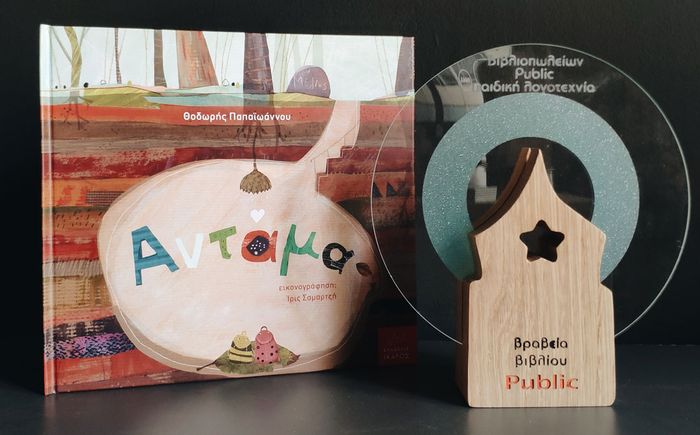
Ειδικό βραβείο Βιβλιοπωλείων Public 2019 στο παιδικό βιβλίο «Αντάμα» των Θ. Παπαϊωάννου και Ι. Σαμαρτζή!
This post is only available in Greek.Το βράδυ της Πέμπτης 13 Ιουνίου στο Μέγαρο Μουσικής, πραγματοποιήθηκε μία από τις σημαντικότερες εκδηλώσεις στον χώρο του βιβλίου, η απονομή των βραβείων βιβλίου Public 2019!Οι αναγνώστες, για 6η συνεχή χρονιά, έδειξαν τις προτιμήσεις τους και ξεχώρισαν τα αγαπημένα τους βιβλία με περισσότερες από 189.775 ψήφους.Το Αντάμα, το εικονογραφημένο βιβλίο των Θοδωρή Παπαϊωάννου και Ίριδας Σαμαρτζή απέσπασε ένα από τα δύο ειδικά βραβεία Βιβλιοπωλείων Public! Για το βραβείο αυτό ψηφίζουν οι πωλητές των καταστημάτων Public ανάμεσα σε όλα τα βιβλία που ανήκουν στην κατηγορία Παιδικό Βιβλίο.Το Αντάμα αποτελεί την τρίτη ιστορία με ήρωες τον Μέλιο και τη Μελανή. Τα δύο αγαπημένα σκαθάρια εξερευνούν τον ξεχωριστό κόσμο που τους περιβάλλει, κι ανακαλύπτουν πόσο υπέροχο είναι να μοιράζεσαι τις καθημερινές στιγμές της ζωής μ’ ένα αγαπημένο πρόσωπο.Η πρώτη ιστορία της σειράς, Ανάποδα, απέσπασε το Βραβείο «Πηνελόπη Μαξίμου» από τον Κύκλο του Ελληνικού Παιδικού Βιβλίου το 2015, ενώ η δεύτερη ιστορία, Απέναντι, απέσπασε το ειδικό βραβείο βιβλιοπωλείων Public το 2016.Στο διαγωνιστικό κομμάτι των βραβείων συμμετείχαν συνολικά 160 εκδοτικοί οίκοι, 1.800 συγγραφείς και 2.500 τίτλοι βιβλίων, από τα οποία προέκυψαν οι νικητές.Ανανεώνουμε το αναγνωστικό ραντεβού μας για την επόμενη χρονιά!Learn more